Building Guides
The Sloping Block Guide:
How To Maximise Views Without Blowing Out Site Costs
|
✎ WRITTEN BY BEACHSTONE HOMES
|
🕓 UPDATED JUNE 2026
✎ WRITTEN BY BEACHSTONE HOMES
🕓 UPDATED JUNE 2026
Few sites offer the lifestyle appeal of a sloping block.
Across Mount Martha, Mount Eliza, McCrae, Arthurs Seat, Dromana and Sorrento, some of the Mornington Peninsula’s most desirable homes are positioned on elevated sites that capture sweeping bay views, natural light and greater privacy.
However, while sloping blocks can create exceptional design opportunities, they can also introduce significant engineering, excavation and construction challenges that many homeowners underestimate when planning their project.
“One of the most common misconceptions we encounter is that a sloping block simply requires a few retaining walls. In reality, site slope can influence everything from engineering and excavation through to drainage, construction access and overall buildability.”
The good news is that a well designed home can work with the site rather than against it.
When approached correctly, a sloping block can often produce a more interesting, functional and valuable home than a flat site.
In this article, we’ll explain the key opportunities and challenges associated with sloping blocks, how site conditions influence construction costs, and the strategies that can help homeowners maximise views without blowing out their budget.
Key Takeaways
- Sloping blocks can create exceptional design opportunities and maximise bay views
- Site slope can significantly influence excavation, retaining and engineering costs
- Construction access is often one of the most overlooked cost factors
- Split level designs can often work more efficiently than forcing a flat floor plan onto a steep site
- Early collaboration between design and construction teams helps reduce costly redesigns
- Understanding site constraints before design begins can improve budget certainty
In This Article
Why Sloping Blocks Are So Popular On The Mornington Peninsula
Split Level Homes vs Extensive Excavation
The Biggest Cost Factors When Building On A Sloping Block
Designing To Capture Views Without Overcomplicating The Build
Why Construction Access Matters More Than Most People Realise
How To Assess Whether A Sloping Block Is Right For You
IN THIS ARTICLE
- Why Sloping Blocks Are So Popular On The Mornington Peninsula
- The Biggest Cost Factors When Building On A Sloping Block
- Why Construction Access Matters More Than Most People Realise
- Split Level Homes vs Extensive Excavation
- Designing To Capture Views Without Overcomplicating The Build
- How To Assess Whether A Sloping Block Is Right For You
1. WHY SLOPING BLOCKS ARE SO POPULAR ON THE MORNINGTON PENINSULA
Some of the Mornington Peninsula’s most desirable homes are built on sloping sites.
From Mount Martha and Mount Eliza through to McCrae, Dromana, Arthurs Seat and Sorrento, the region’s natural topography creates opportunities that simply do not exist on flatter land. Elevated sites can capture sweeping bay views, improved natural light, greater privacy and stronger connections to the surrounding landscape.
For many homeowners, these lifestyle benefits are the primary reason sloping blocks remain highly sought after despite the additional complexity they can introduce during design and construction.
A well designed home on a sloping site can provide:
|
|
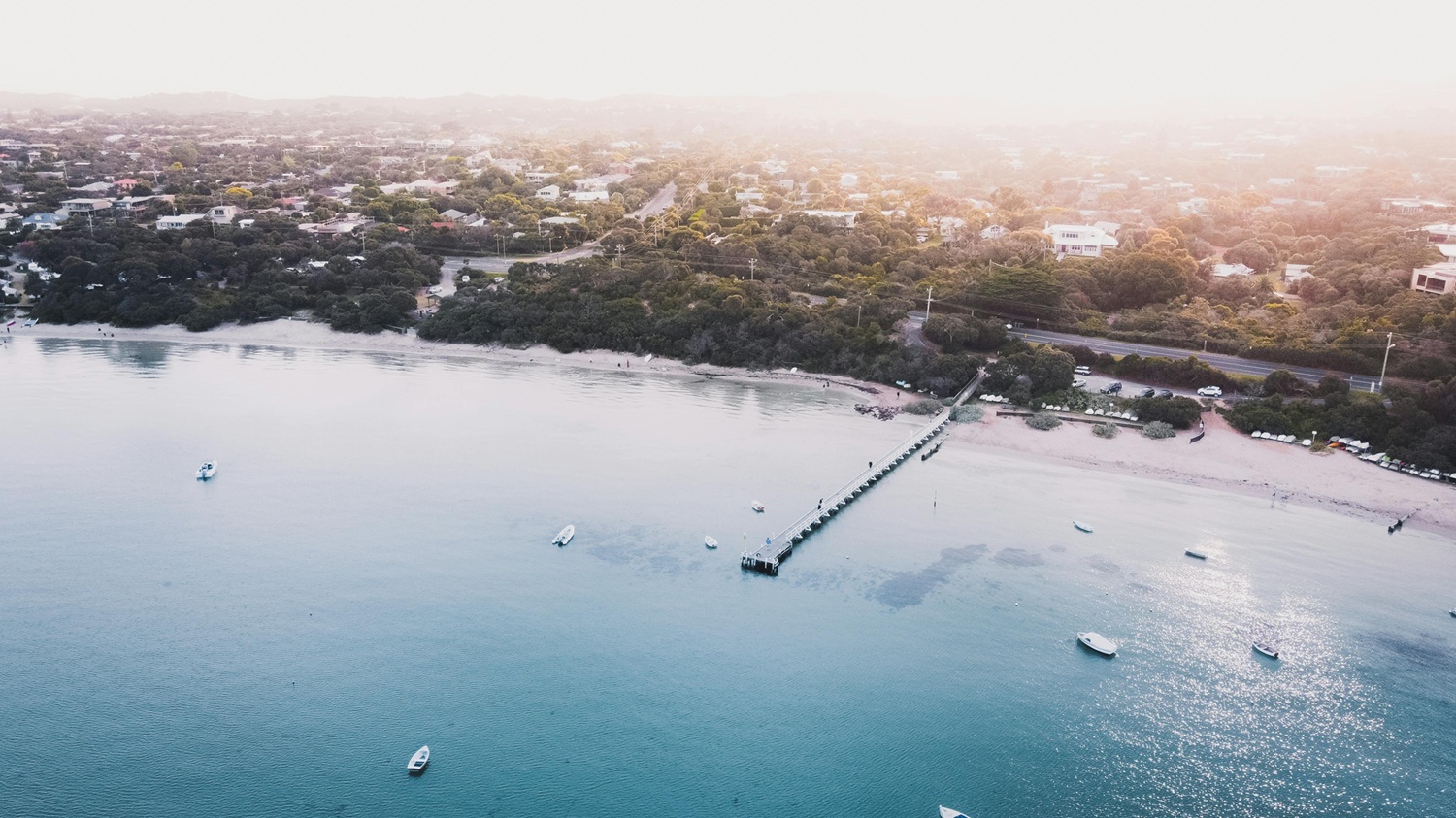
Many of the Mornington Peninsula’s most desirable homes are built on sloping sites, where elevated positions can capture bay views, improved privacy and stronger connections to the surrounding landscape.
However, while the lifestyle benefits are obvious, the construction implications are often less visible.
Two sites may offer similar views, but the cost to build on each can vary significantly depending on factors such as slope gradient, soil conditions, construction access, retaining requirements and engineering complexity.
This doesn’t mean sloping blocks should be avoided. In fact, some of the Peninsula’s most impressive homes are built on challenging sites.
The key is understanding the opportunities and constraints early, so the design, construction method and budget can work together from the outset rather than creating costly surprises later in the project.
PLANNING to purchase land on the mornington peninsula?Our free Home Build Readiness Assessment helps homeowners better understand: ✓
Site and slope related cost ✓
Planning and engineering considerations ✓
Build complexity factors ✓
Potential budget risks before beginning design In just 3 minutes, you’ll receive personalised insights to help guide your project with greater clarity and confidence. |

Planning To Purchase Land On The Mornington Peninsula?
Our free Home Build Readiness Assessment helps homeowners better understand:
Site and slope related costs
Planning and engineering considerations
Build complexity factors
Potential budget risks before beginning design
In just 3 minutes, you’ll receive personalised insights to help guide your project with greater clarity and confidence.
2. THE BIGGEST COST FACTORS WHEN BUILDING ON A SLOPING BLOCK
One of the biggest misconceptions about sloping blocks is that the additional cost is limited to a few retaining walls.
In reality, site slope can influence almost every stage of construction, from excavation and engineering through to drainage, access and structural design.
The steeper the site, the more important it becomes to understand the relationship between design decisions and construction costs early in the process.
Some of the most common cost factors associated with sloping sites include:
|
|
Depending on the site’s characteristics, excavation, retaining walls and structural requirements can represent a significant portion of the overall project budget, many of which are commonly overlooked during the early planning stages.
This is why two homes with similar floor areas can have significantly different construction costs depending on the site conditions and level of engineering required.
The most expensive sloping block isn’t always the steepest. Construction access, soil conditions and design response often have a greater impact on cost than slope alone.
However, a higher construction cost does not automatically mean a poor outcome.
Many of the Mornington Peninsula’s most successful homes are built on challenging sites because the design has been developed specifically around the land rather than attempting to force a standard floor plan onto it.
The key is identifying where the site creates complexity and ensuring those challenges are addressed during concept design, before engineering and construction documentation begins.
This is where early collaboration between designers, engineers and builders can often deliver significant savings and reduce the likelihood of costly redesigns later in the project.
3. WHY CONSTRUCTION ACCESS MATTERS MORE THAN MOST PEOPLE REALISE
When homeowners assess a sloping block, their attention is often drawn to the visible aspects of the site such as the views, the slope itself or the potential home design.
However, one of the most significant cost drivers can be something far less obvious: construction access.
Access influences how efficiently trades, materials and equipment can move around the site throughout the build. Even relatively moderate sites can become expensive to construct if access is restricted.
Common access challenges can include:
|
|
For example, a site with a moderate slope but excellent access may be simpler and more cost effective to build on than a flatter site with limited access for machinery, deliveries and excavation works.
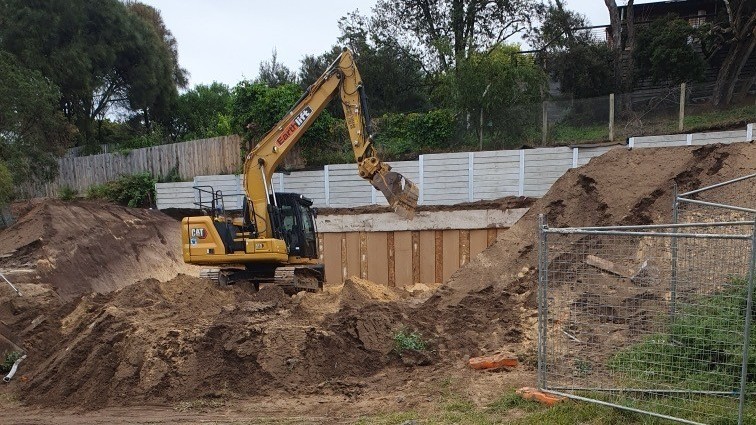
Construction access can sometimes have a greater impact on project cost than the slope itself, particularly on narrow, steep or heavily constrained sites.
Many of the access related costs associated with a project are not immediately visible when inspecting a block of land. They often only become apparent once excavation, structural design and construction planning begin.
This is why we encourage homeowners to assess more than just the slope of the site. Understanding how the home will actually be built, where materials will be stored and how excavation equipment will operate can provide valuable insight into the true complexity of the project.
Early site investigations and builder involvement can often identify these challenges before they become costly surprises during construction.
4. SPLIT LEVEL HOMES VS EXTENSIVE EXCAVATION
One of the most important decisions when designing a home on a sloping block is whether to work with the natural fall of the land or attempt to create a large, level building platform.
While it can be tempting to excavate extensively and create a traditional flat floor plan, this approach can often introduce significant costs through excavation, retaining walls, spoil removal and structural engineering.
In many cases, a split level design can provide a more efficient and site responsive solution.
Benefits of split level design can include:
|
|
By allowing the home to step with the site, designers can often reduce the amount of site modification required while creating a home that feels more connected to its surroundings.
Split level homes can also help reduce the need for excessive cut and fill works, allowing the home to respond more naturally to the site’s topography while minimising the impact on surrounding land. This approach can also create better opportunities to capture bay views from key living spaces without introducing unnecessary construction complexity.
The most successful sloping block homes are rarely those that fight the site. They are the homes that embrace and respond to the natural topography.
This does not mean every sloping site requires a split level home. The ideal design response will depend on factors such as the slope gradient, site orientation, desired floor plan and overall project budget.
However, we regularly find that homeowners who remain flexible in their approach to floor levels can unlock significant cost savings while achieving a more functional and architecturally interesting outcome.
Early concept design is often where these opportunities are identified, allowing the home and the site to work together rather than competing against one another.
5. DESIGNING TO CAPTURE VIEWS WITHOUT OVERCOMPLICATING THE BUILD
One of the biggest advantages of a sloping block is the opportunity to capture views that would not be possible on a flat site.
Whether it’s expansive bay views, treetop vistas or a connection to the surrounding landscape, a well designed home can transform these site features into some of the property’s greatest assets.
However, maximising views doesn’t necessarily mean maximising complexity.
In many cases, the most successful homes focus on carefully positioning key living spaces rather than attempting to create views from every room.
Effective design strategies can include:
|
|
One of the most common mistakes homeowners make is assuming that larger windows automatically create a better outcome. In many cases, carefully framing a bay view from a living room, kitchen or alfresco area delivers a stronger result than simply increasing the amount of glazing throughout the home.
The best view is the one you experience every day from the spaces you use most, not necessarily the one visible from every room in the home.
Successful view based design is about prioritising the areas where homeowners spend the majority of their time and creating meaningful connections to the landscape from those spaces.
By carefully balancing outlook, functionality, privacy and construction complexity, it is often possible to achieve exceptional results without introducing unnecessary structural or budget challenges.
This is where thoughtful design can deliver the greatest value, ensuring the home responds to both the opportunities of the site and the realities of construction.
6. HOW TO ASSESS WHETHER A SLOPING BLOCK IS RIGHT FOR YOU
While sloping blocks can introduce additional design and construction considerations, they can also create some of the most rewarding homes on the Mornington Peninsula.
The key is understanding that every site is unique.
A block that appears challenging at first glance may present exceptional opportunities when approached with the right design strategy, while a seemingly simple site may contain hidden complexities relating to access, engineering, drainage or planning requirements.
Before committing to a sloping block, we recommend considering:
|
|
On some sites, council height controls and neighbourhood character requirements may also influence how views can be captured through the design, making it important to understand any planning constraints early in the process.
Most importantly, try to assess the site and the home design together rather than as separate decisions.
Many of the most successful custom homes begin with a clear understanding of both the opportunities and constraints of the land before the design process begins.
A sloping block should not be viewed as a problem to solve, but as an opportunity to create a home that responds uniquely to its environment.
With the right advice and a well considered design approach, a sloping site can often deliver expansive bay views, stronger connections to the landscape and a more distinctive architectural outcome than a comparable flat block.
The earlier these opportunities and constraints are understood, the easier it becomes to align design aspirations, construction methodology and budget expectations from the outset.
Planning A Custom Home But Unsure Where To Start?Our free Home Build Readiness Assessment helps homeowners better understand the key factors that influence project planning, budgeting and overall buildability before beginning the design journey. ✓
Different project delivery pathways ✓
Budget and planning considerations ✓
Build complexity and project risks ✓
Key factors that influence overall project outcomes In just 3 minutes, you’ll receive tailored insights to help guide your custom home journey with greater clarity and confidence. |
Planning A Custom Home But Unsure Where To Start?
Our free Home Build Readiness Assessment helps homeowners better understand the key factors that influence project planning, budgeting and overall buildability before beginning the design journey.
Different project delivery pathways
Budget and planning considerations
Build complexity and project risks
Key factors that influence overall project outcomes
In just 3 minutes, you’ll receive tailored insights to help guide your custom home journey with greater clarity and confidence.
ABOUT BEACHSTONE HOMES
Beachstone Homes is an award winning custom home builder specialising in bespoke Design & Build homes across the Mornington Peninsula, Bayside suburbs and Melbourne’s eastern suburbs.
Our integrated approach combines custom design, interior design, cost planning and construction expertise under one roof to help clients move from vision to certainty with confidence.